
 COMPLETE VERSIONCOMPLETE VERSION
The thrill of gambling often stems from the element of chance. Many individuals are drawn to the unpredictability that comes with games of luck, such as slot machines and roulette. This randomness creates a sense of excitement, as players feel they might hit the jackpot at any moment. The idea of winning big can trigger a rush of dopamine, reinforcing the behavior and making it more appealing over time. For instance, some might discover surprising options like offshore casinos that heighten their thrill-seeking experience.

Moreover, this unpredictability can lead to a phenomenon known as "near misses." When players experience outcomes that are almost wins, their brains can interpret these moments as encouragement to continue playing, even if they have lost. This psychological twist fuels gambling habits, creating a loop of hope and anticipation that is hard to break.
Many gamblers harbor the belief that they can influence the outcome of games, especially in activities that involve skill, such as poker. This illusion of control can be a powerful motivator, as players might engage in strategies they believe will improve their chances of winning. This sense of agency can make gambling more addictive, as individuals convince themselves that their skills are the key to success.
However, this perception can lead to significant cognitive distortions. Gamblers may overlook the fact that many games are primarily based on chance. This disconnect between belief and reality can create a detrimental cycle where players continue to gamble, fueled by false confidence and an unwillingness to acknowledge their losses.
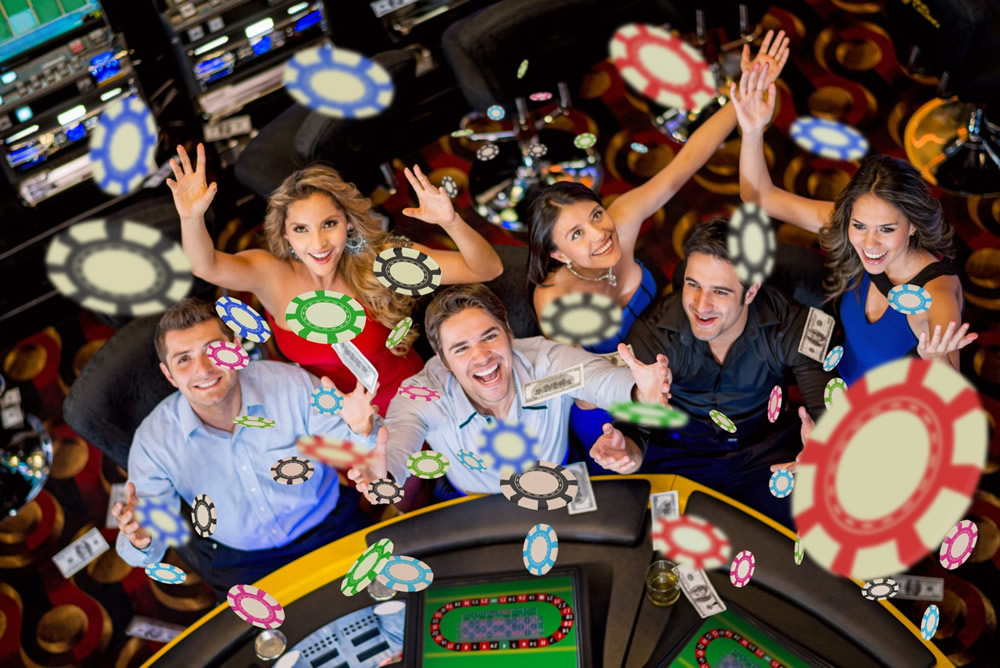
The social context in which gambling occurs can also significantly influence habits. Casinos and betting shops are often designed to be enticing and immersive environments. The sounds, lights, and social interactions create an atmosphere that encourages prolonged play. Being surrounded by others who are engaged in gambling can heighten the excitement and normalize the behavior, making it easier for individuals to indulge in their habits.
Peer pressure can also play a role in gambling. People may feel compelled to participate in games to fit in or enjoy social outings, which can lead to habitual gambling. In such settings, individuals may ignore personal limits and continue playing, driven by the desire to maintain a social bond or to avoid feeling left out.
Emotions significantly impact gambling behavior. Many individuals gamble as a means of coping with stress, anxiety, or depression. In these situations, gambling might seem like an escape or a source of temporary relief. However, this can lead to a pattern of gambling as a coping mechanism, further entrenching the habit.
Additionally, feelings of excitement or euphoria can be tied to the gambling experience, reinforcing the desire to engage in it repeatedly. The emotional highs that accompany wins, as well as the lows from losses, create a rollercoaster effect that can keep gamblers coming back for more, even when they know the potential consequences.
Understanding the psychology behind gambling habits is essential for creating effective interventions and resources for those affected. It is important to foster awareness about the triggers that lead to unhealthy gambling behaviors. By providing insights into this subject, individuals can make informed decisions about their gambling habits and recognize the psychological factors at play.
Platforms that focus on educating the public can play a crucial role in this process. They can empower individuals with knowledge about how gambling affects communities and promote civic engagement in discussions about the regulation and impact of gambling practices. Through comprehensive resources, citizens can better navigate the complexities surrounding gambling and its effects on their lives.


